Tube production
TUBE / PIPE / SURFACE
Compare production lines, polishing machines and process paths by the material, surface and output required for your operation.
Industrial round-pipe polishing equipment
Equipment index
Find welded-tube lines, tube and pipe polishing machines, and coil processes by the material and output you need.
Tube production
Outside polishing
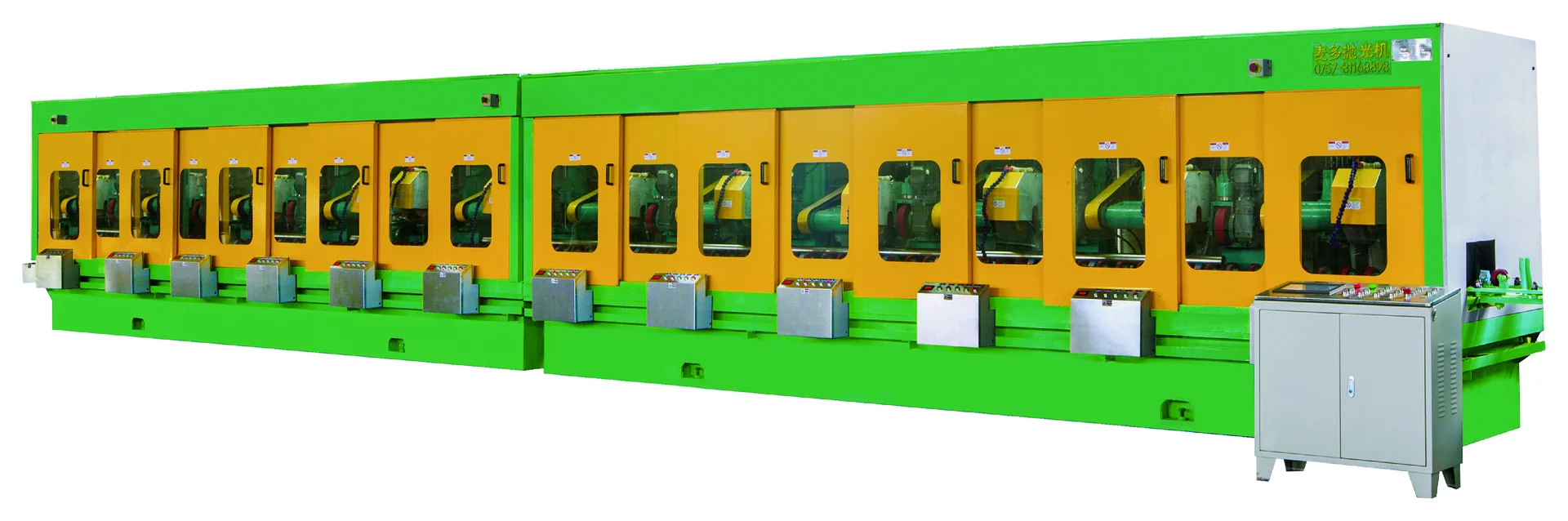
Industrial pipe polishing
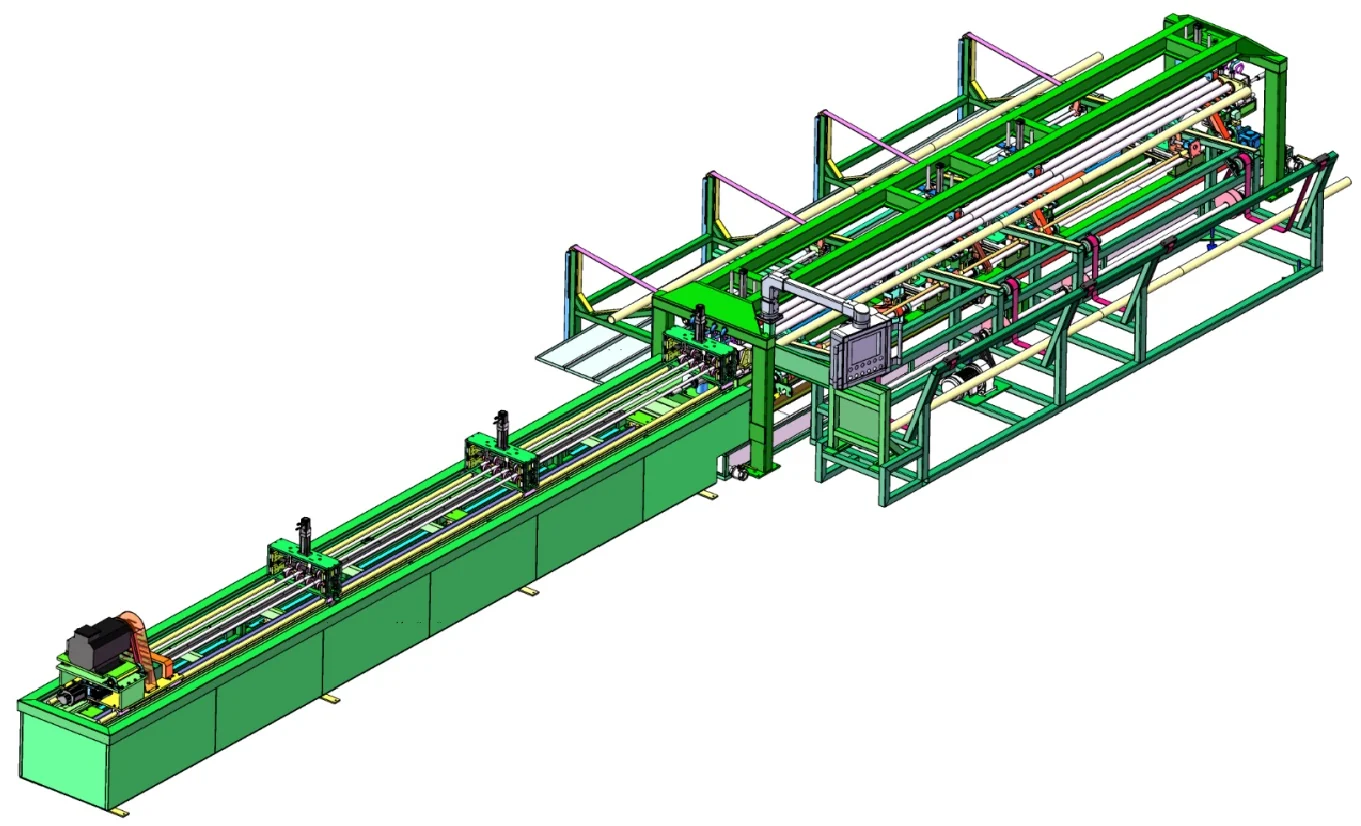 Machine drawing
Inside polishing
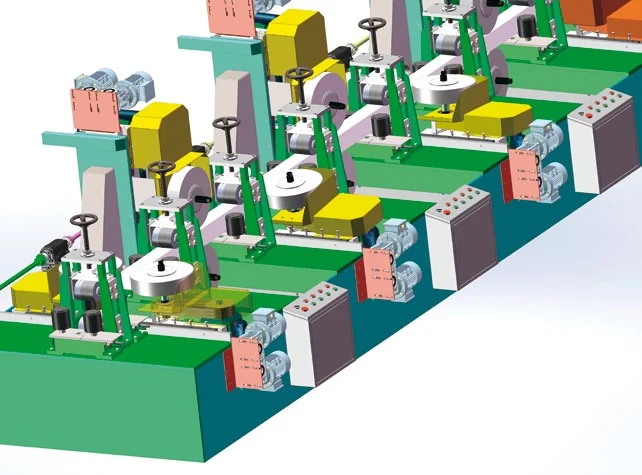 Machine drawing
Square-section polishing
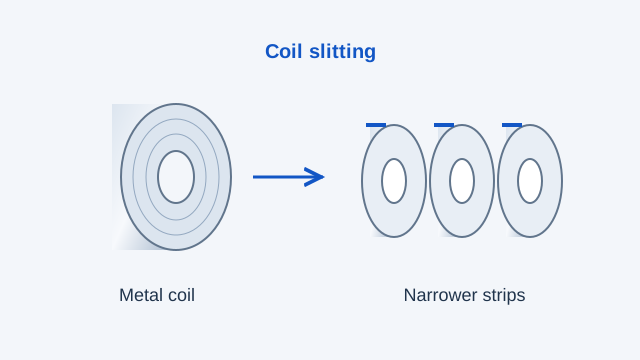 Process diagram
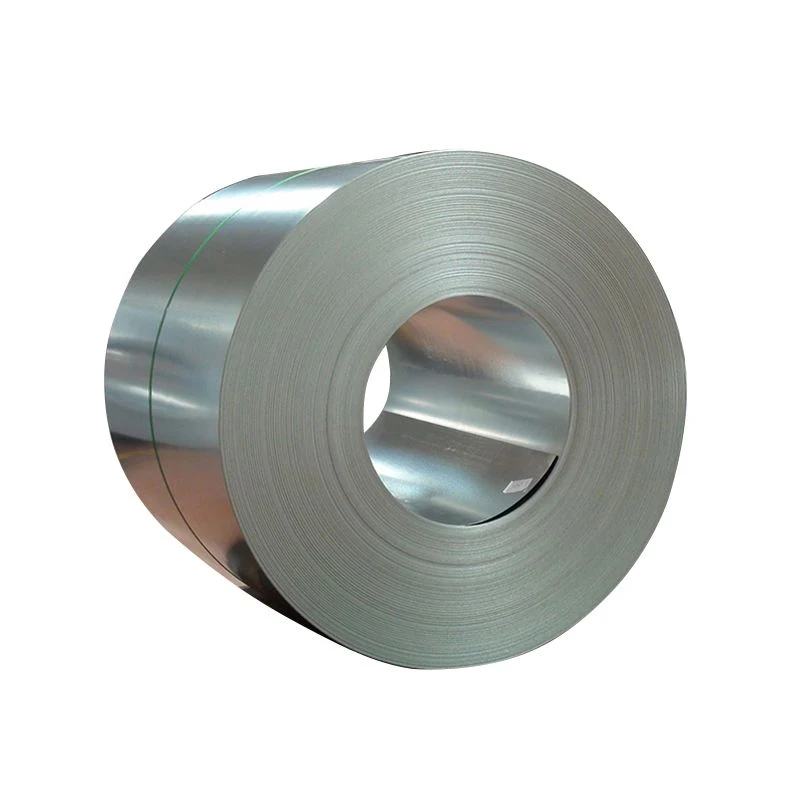
Coil to strip
Process routes
Choose welded-tube production, outside polishing, inside polishing or square-tube polishing by the operation and finished surface you need.
Process flow
Follow the path from metal strip to welded tube, outside-surface polishing, inside-wall polishing and the required finish.
Explore applications
Machine assemblies
See the forming rolls, polishing heads, pipe supports and drive components used along the production and polishing paths.
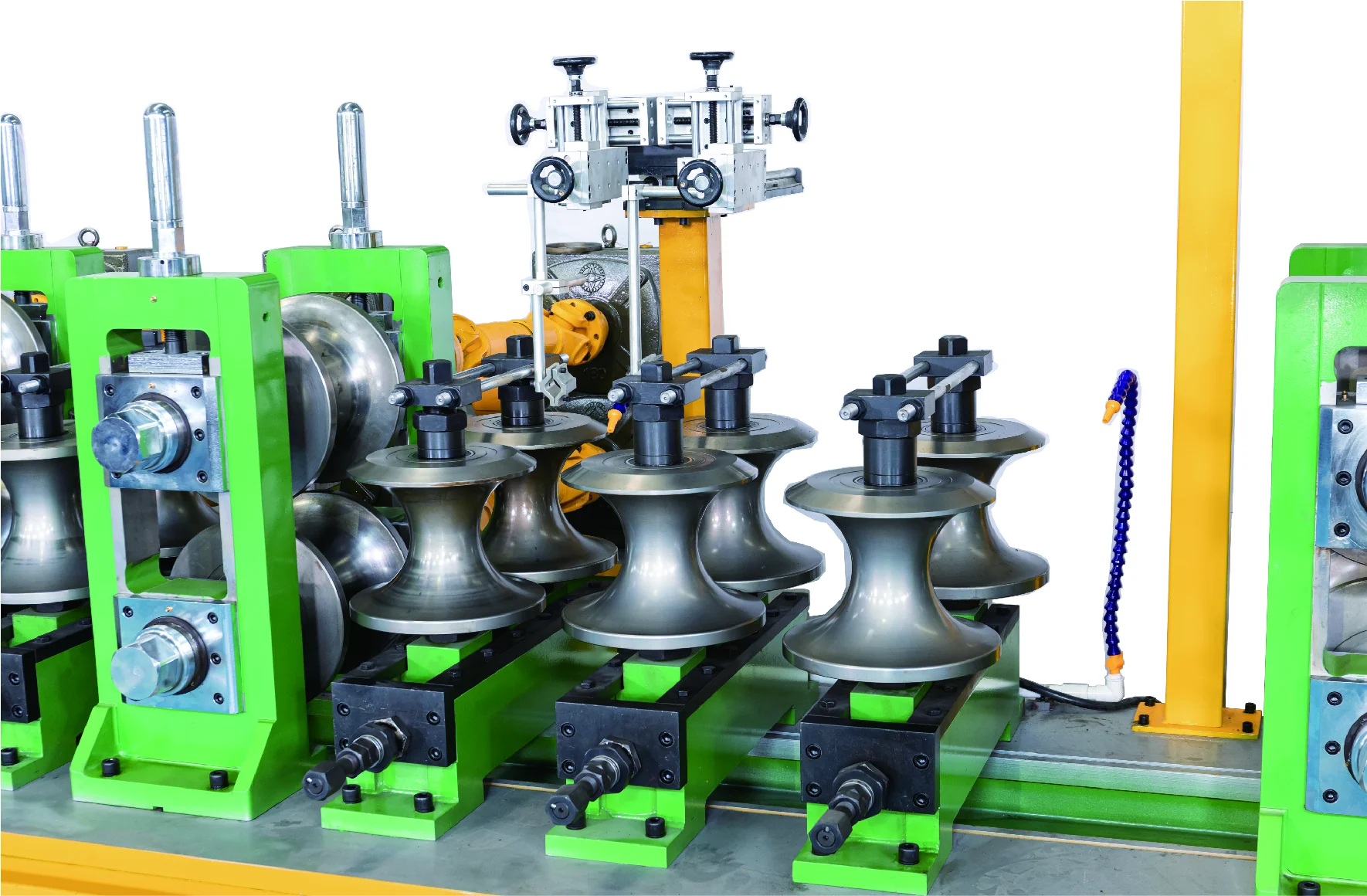
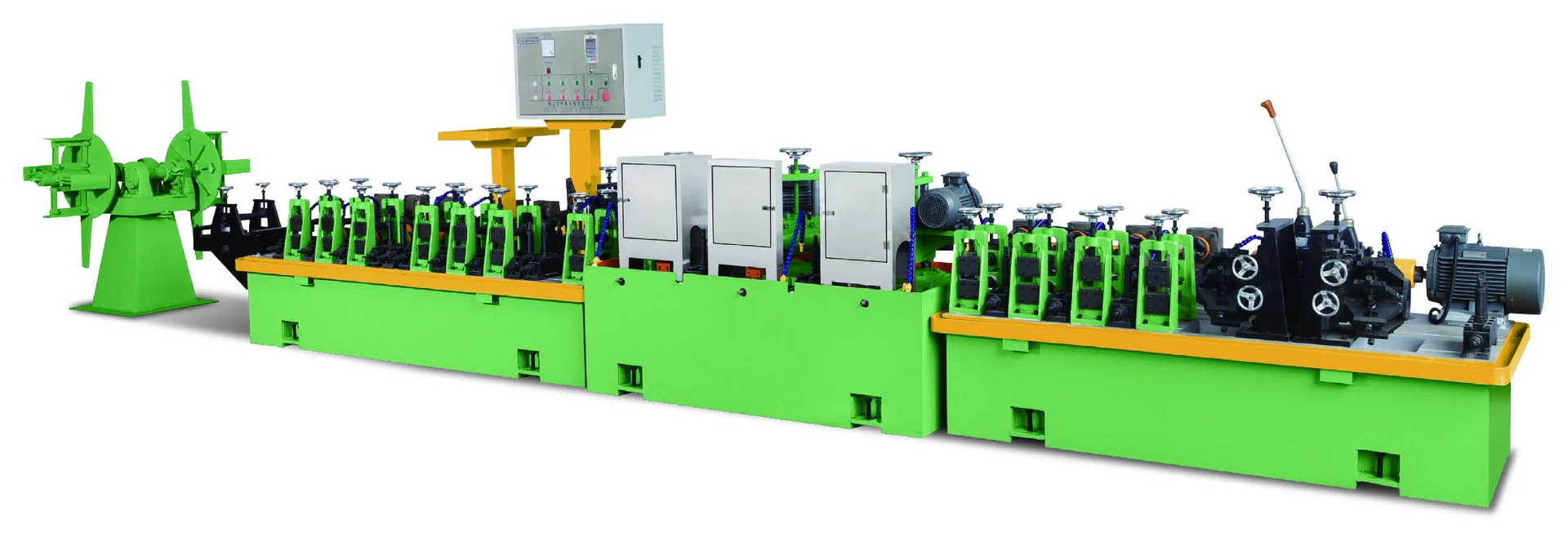
Forming stands, rolls and drive assemblies shape the route from flat strip to welded tube and determine where the material is supported along the line.
View detail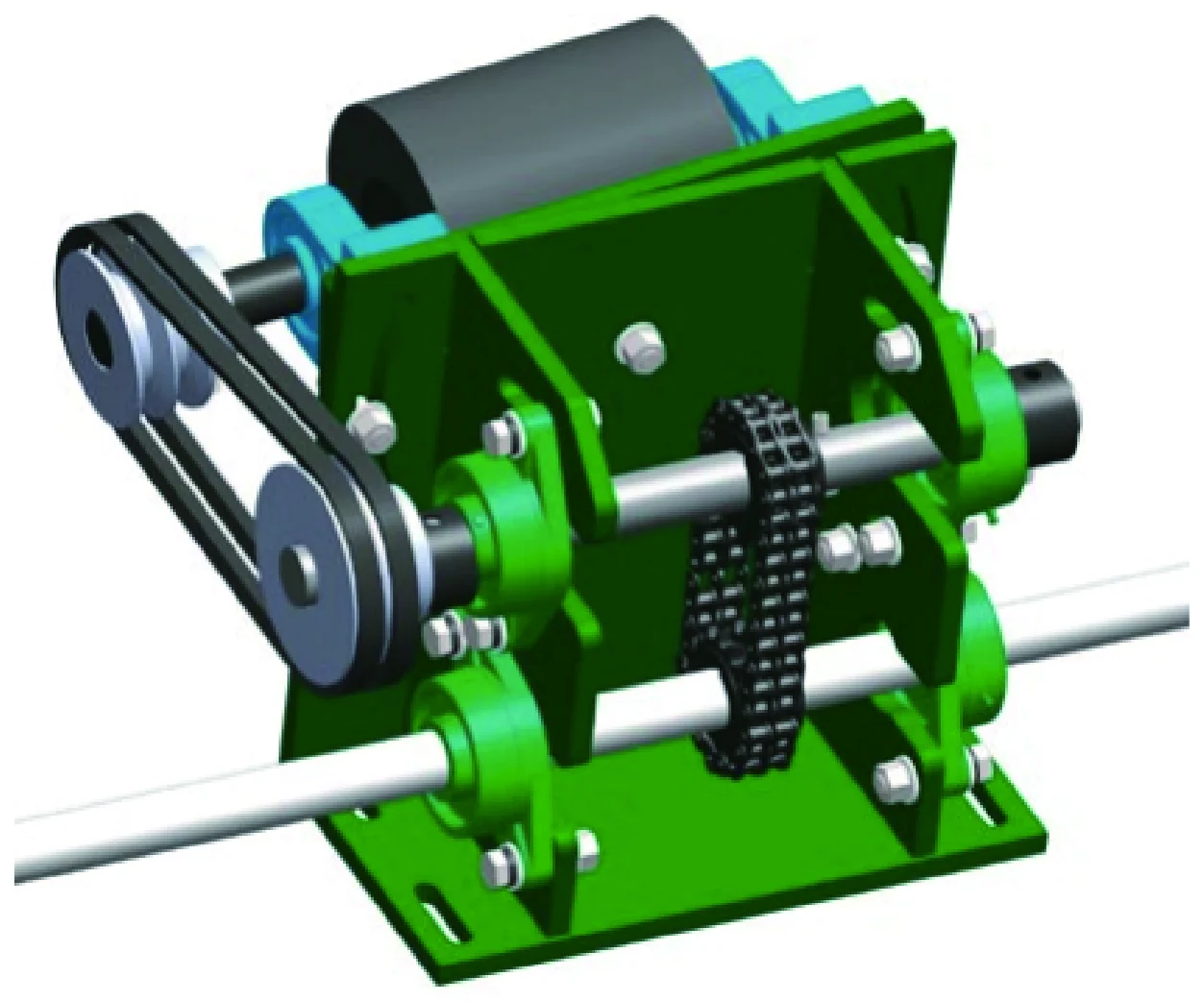
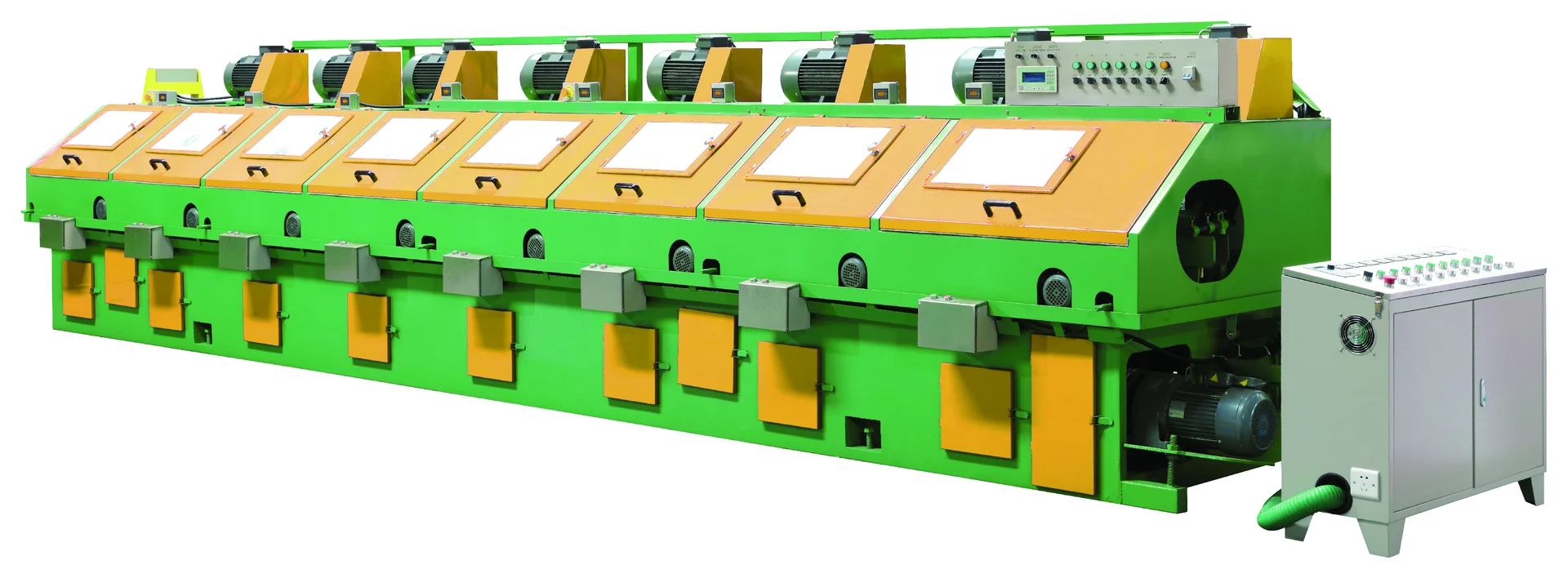
Belt paths, polishing heads and adjustment mechanisms show how the tool reaches the outside surface and how the working position is controlled.
View detail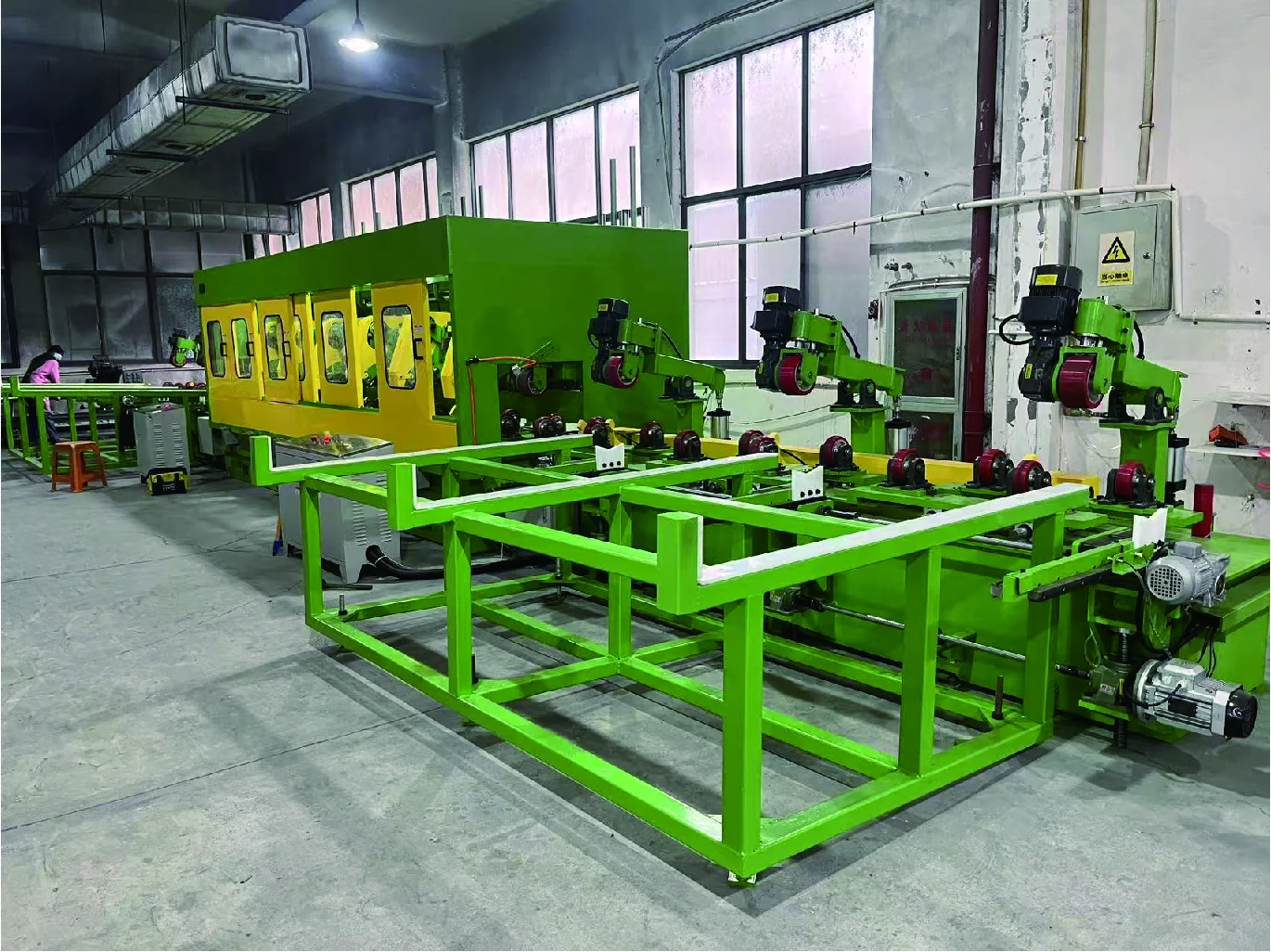
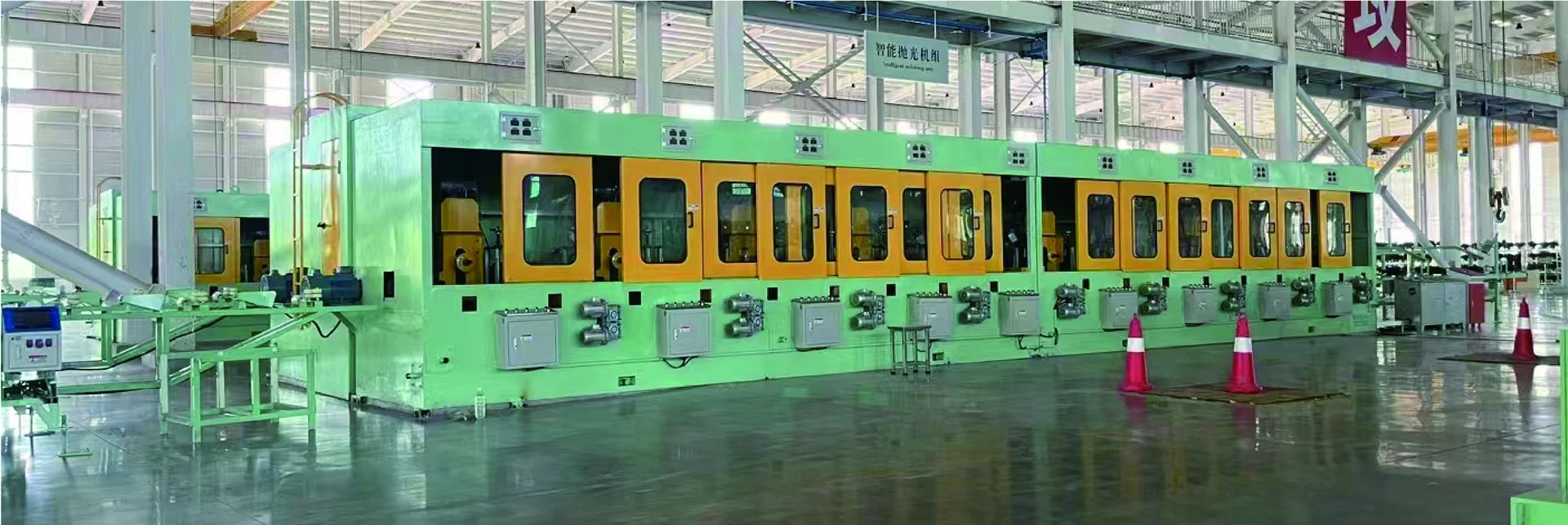
Infeed, support and operator positions define the working space around the machine and should be considered with the pipe length and handling method.
View detail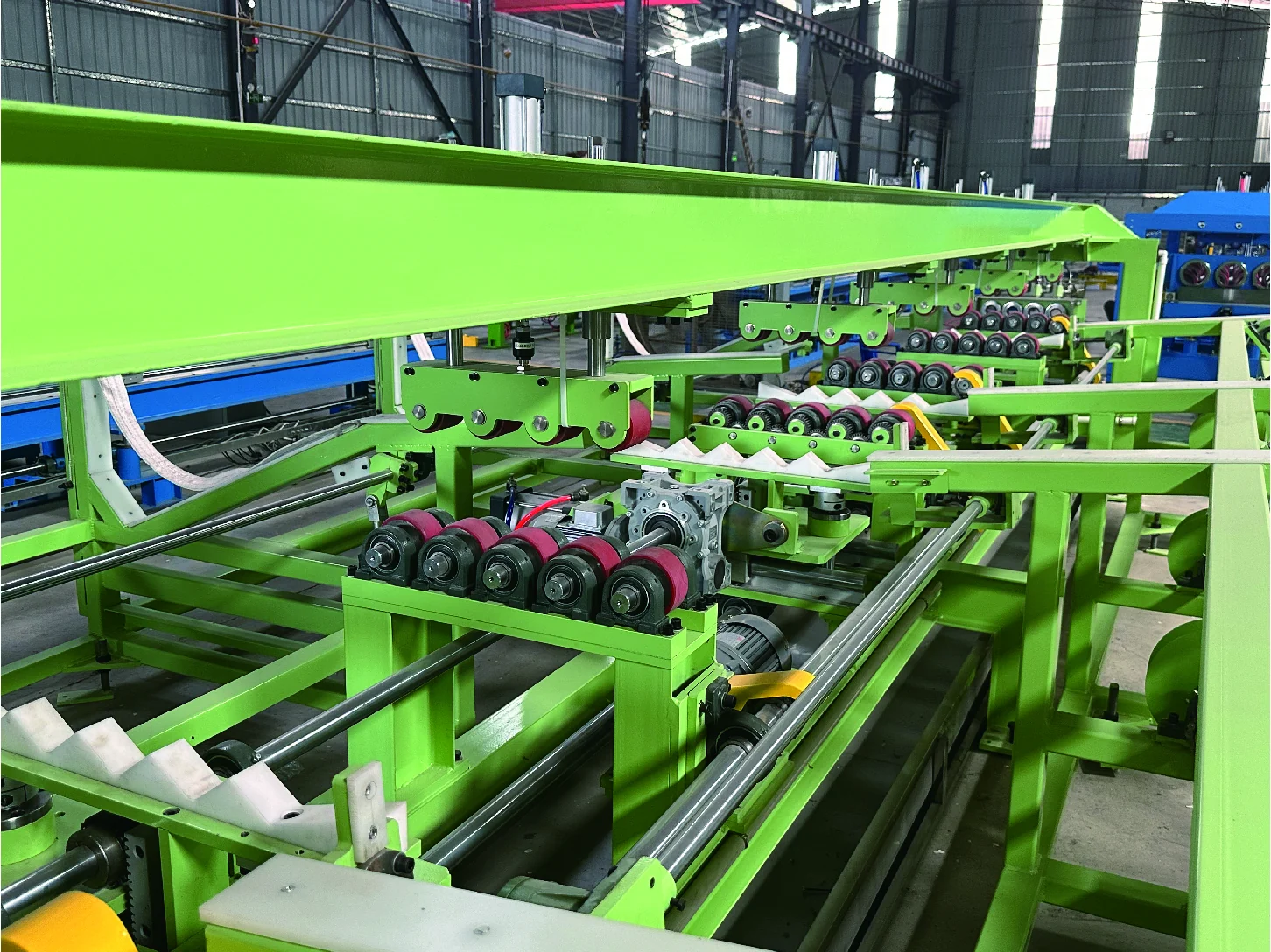
Rollers and frames support the pipe while the polishing tool reaches the inner wall, so pipe length and access space remain part of the equipment discussion.
View detailLine context
Review pipe infeed, support points and operator access before planning the machine layout.
Plan loading, support points and finished-product removal around the machine so the material path remains clear across the full working length.
Read more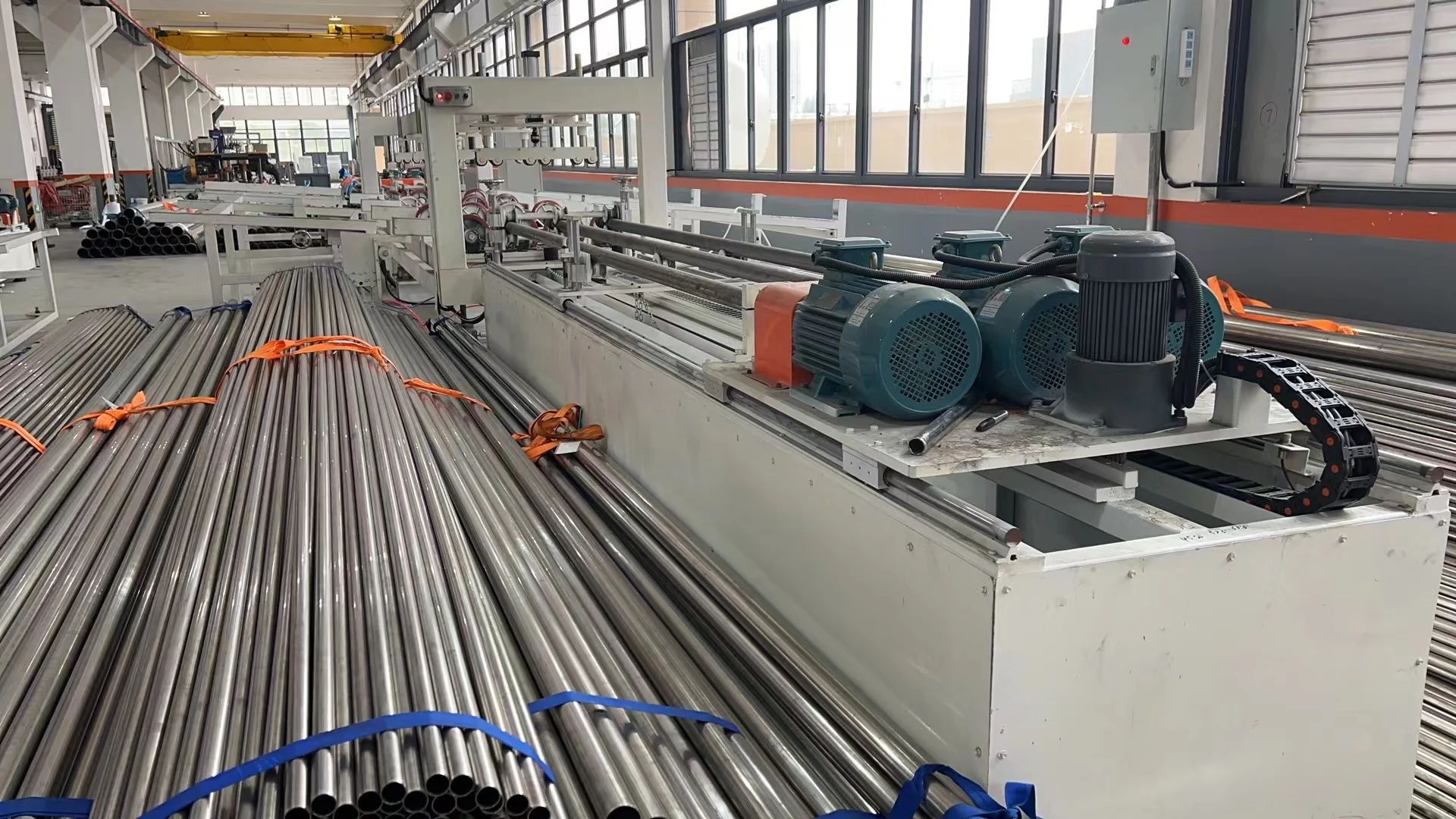
Match pipe length, access and the required inside finish before comparing the available generations and models.
Read more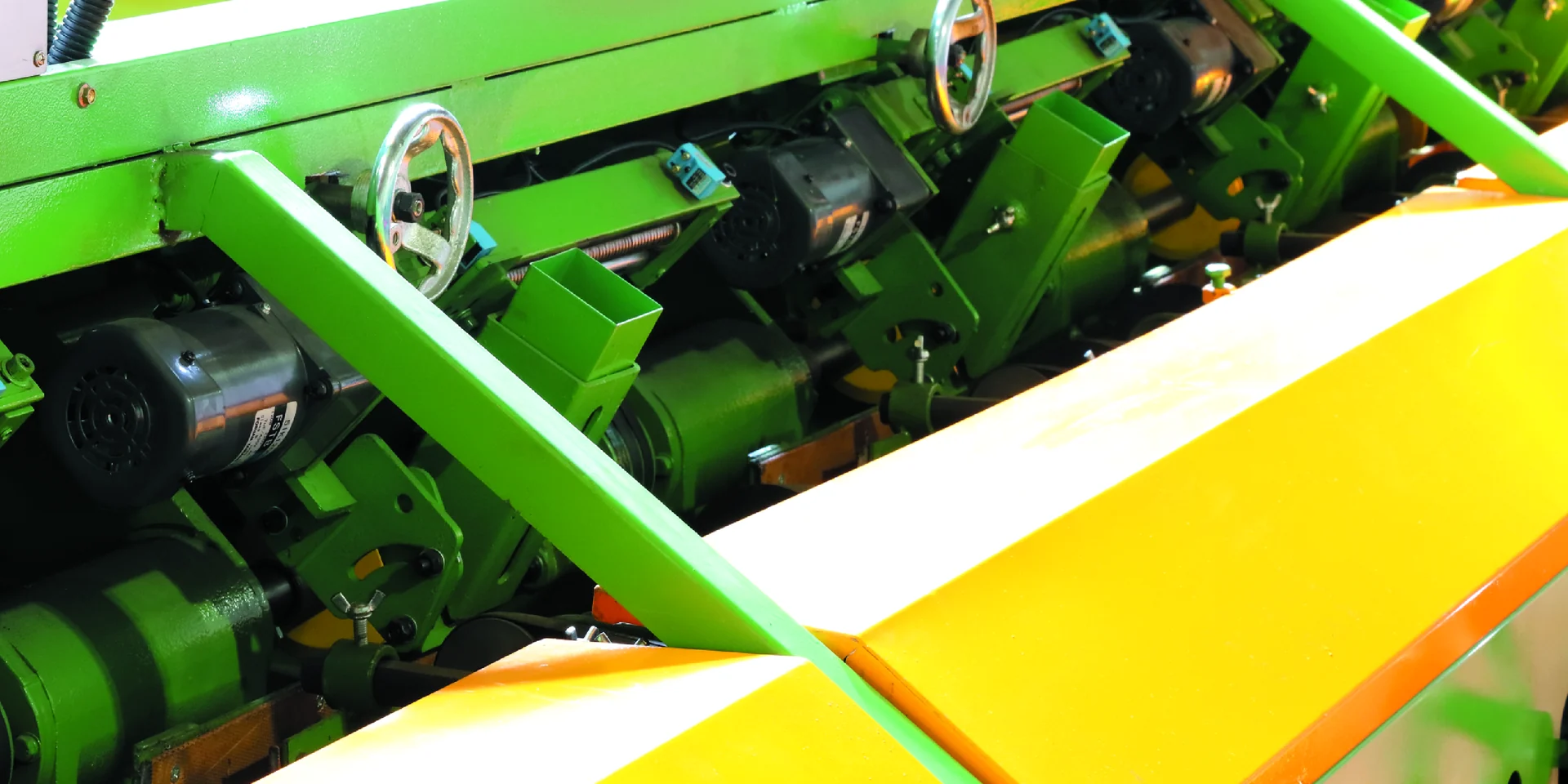
Separate outside-surface, inside-wall and square-tube requirements before comparing equipment, because each operation uses a different working arrangement.
Read moreShare the material, dimensions, surface or output you already know so we can identify the relevant equipment family and next technical questions.