
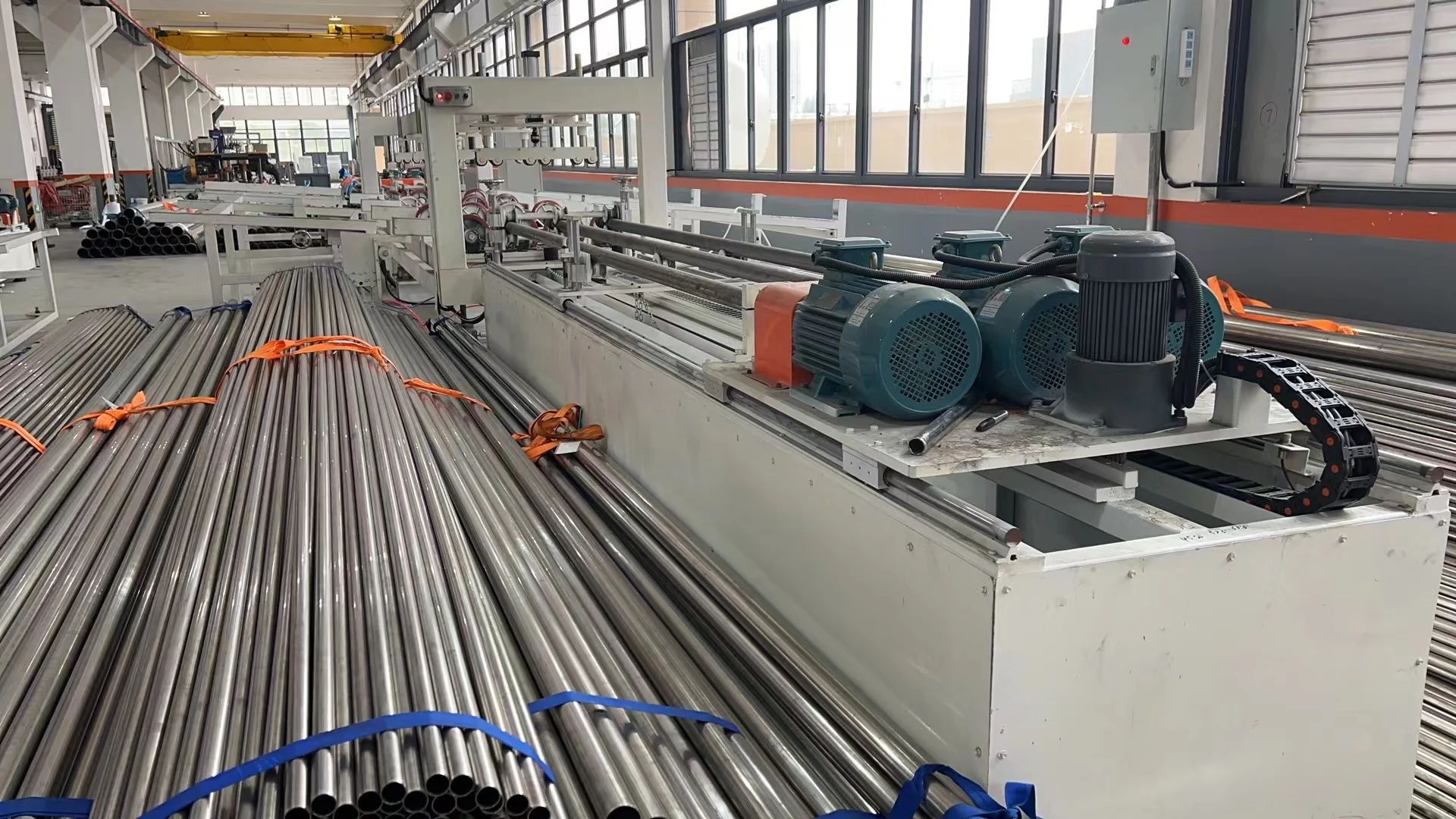
Internal pipe polishing works on the inside wall of a pipe. The current MAXDO records are organized by second, third and fifth generation, and several model numbers appear in more than one generation. A model number without its generation is therefore incomplete information.
The published records support an initial comparison of listed pipe diameter range, polishing length, station count, spindle speed and machine dimensions. They do not define a universal material range, final surface result, roughness measurement or complete installation arrangement. Those limits are part of the selection method, not missing editorial placeholders.
Internal polishing generation and model
The current records repeat MD63, MD133 and MD159 across different generations. The same model label can therefore point to different rows and different listed values.
When you save a candidate in an inquiry, spreadsheet or internal note, use a complete identity such as third-generation MD133 or fifth-generation MD133. This prevents the most common comparison error: combining the diameter range from one generation with the polishing length or machine dimensions from another.
Second-generation models
| Model | Pipe diameter range | Polishing length | Stations | Spindle speed | Machine dimensions |
|---|---|---|---|---|---|
| MD76 | φ19–φ76 | 1.5–6.1 m | 3 | 3000 r/min | 13500 × 4500 × 2000 mm |
| MD133 | φ50–φ133 | 1.5–6.1 m | 3 | 3000 r/min | 13500 × 4500 × 2000 mm |
| MD168 | φ76–φ168 | 3–6.1 m | 3 | 3000 r/min | 17000 × 4500 × 2000 mm |
| MD219 | φ89–φ219 | 3–6.1 m | 3 | 3000 r/min | 17000 × 4500 × 2000 mm |
Third-generation models
| Model | Pipe diameter range | Polishing length | Stations | Spindle speed | Machine dimensions |
|---|---|---|---|---|---|
| MD63 | φ19–φ63 | 1–6.1 m | 4 | 7000 r/min | 15500 × 4500 × 2000 mm |
| MD133 | φ63–φ133 | 1–6.1 m | 3 | 6000 r/min | 15500 × 4500 × 2000 mm |
| MD159 | φ89–φ159 | 1.5–6.1 m | 3 | 6000 r/min | 15500 × 4500 × 2000 mm |
Fifth-generation models
| Model | Pipe diameter range | Polishing length | Stations | Spindle speed | Machine dimensions |
|---|---|---|---|---|---|
| MD63 | φ19–φ76 | 4–6.1 m | 4 | 7000 r/min | 15500 × 4500 × 2000 mm |
| MD133 | φ63–φ133 | 4–6.1 m | 3 | 6000 r/min | 15500 × 4500 × 2000 mm |
| MD159 | φ89–φ159 | 4–6.1 m | 3 | 6000 r/min | 15500 × 4500 × 2000 mm |
| MD325 | φ114–φ325 | 3–6.1 m | 3 | 3000 r/min | 16000 × 4000 × 2300 mm |
| MD426 | φ168–φ426 | 3–6.1 m | 3 | 3000 r/min | 16000 × 4000 × 2300 mm |
MD133 comparison across generations
Suppose the project needs a listed pipe diameter in the 63–133 range and a polishing length of 4.5 m. Compare the MD133 rows:
| Candidate | Diameter range | Polishing length | Stations | Spindle speed | Listed dimensions |
|---|---|---|---|---|---|
| Second-generation MD133 | φ50–φ133 | 1.5–6.1 m | 3 | 3000 r/min | 13500 × 4500 × 2000 mm |
| Third-generation MD133 | φ63–φ133 | 1–6.1 m | 3 | 6000 r/min | 15500 × 4500 × 2000 mm |
| Fifth-generation MD133 | φ63–φ133 | 4–6.1 m | 3 | 6000 r/min | 15500 × 4500 × 2000 mm |
All three rows include the example diameter and length within their listed ranges. The fifth-generation row is the closest match to a 4.5 m minimum polishing length because its listed range begins at 4 m. The third-generation row also covers 4.5 m but starts at 1 m. The difference is a selection question for the generation and project arrangement, not proof that one generation is universally better.
Diameter, polishing length, stations and spindle speed
- Record the pipe diameter exactly as the supplier uses it in the selected table.
- Record the required polishing length.
- Keep the generation and model number together.
- Compare stations and spindle speed within the same generation and model group.
- Compare machine dimensions with the available factory space.
- Describe the current inside surface and the required finish.
- Attach a drawing, photo or sample when the inside condition cannot be described clearly.
The current data does not publish a complete roughness specification or acceptance method. A table comparison can narrow the machine discussion, but it cannot replace a finish definition or sample review.
Internal polishing request information
Include the generation and model if you already have a candidate. Otherwise include the diameter range, polishing length, wall thickness, current inside condition, target finish, expected production volume and factory handling arrangement. MAXDO’s confirmed support scope includes equipment selection, sample or drawing evaluation and sample testing; the project scope and commercial terms are handled per inquiry.
Select the generation, model and pipe requirements together
Internal pipe polishing selection depends on the generation and model together with the listed diameter range, polishing length, stations, spindle speed and machine dimensions. The MD133 example shows why the repeated model number cannot stand alone. Use the tables for a disciplined first screen, then connect the candidate to the actual inside surface, sample requirement and factory arrangement.